
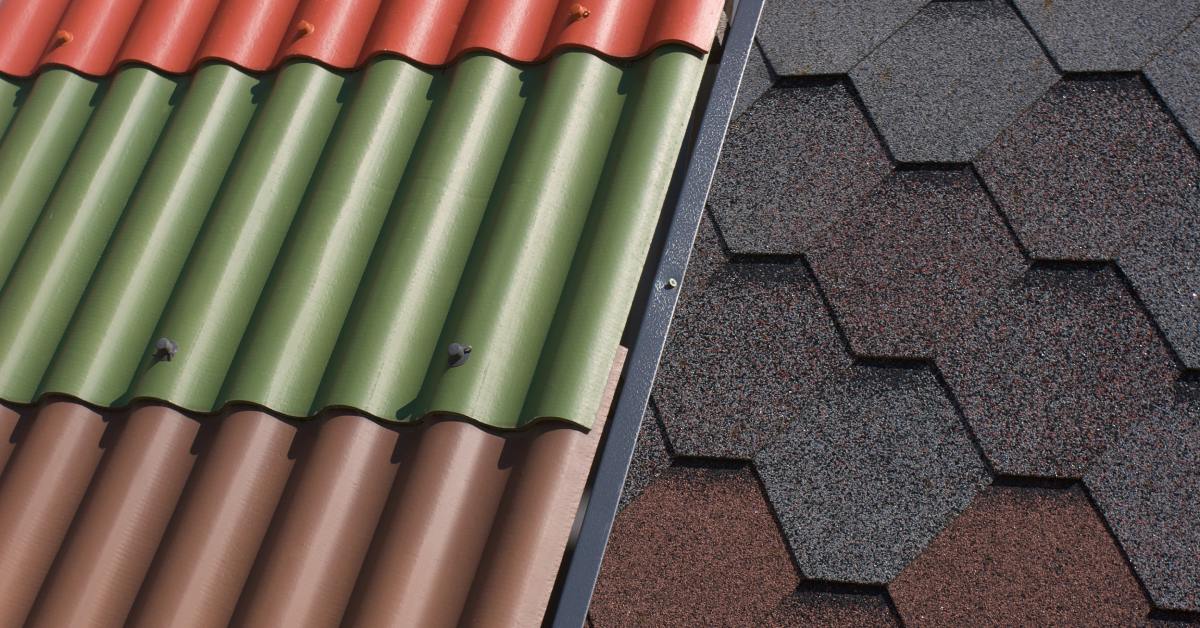
If you’re building or replacing a roof, then you must know your material options. In Arizona especially, you need a roof that can stand up to intense sun, bone-dry heat, and sudden monsoons alike. For a home, curb appeal and style may drive the decision. For a business, the choice usually comes down to drainage, energy performance, durability, and how the system handles rooftop equipment and foot traffic.
Below, we explore the most common types of roofing materials for both residential and commercial properties in Arizona.
Popular Residential Roofing Materials
Asphalt shingles, tile shingles, and metal are the most common roofing materials for homes in Arizona.
Asphalt Shingles
Asphalt shingles are great for sloped residential roofs. They are popular because they are cost-effective, widely available, and come in a range of colors and profiles. Shingles are usually recommended if you want a practical balance of appearance, performance, and budget.
They work well on many homes, but they are not the answer for every property. In strong sun and storm conditions, lower-grade shingles can age faster, curl, crack, or lose granules. That is why product quality and installation details matter just as much as the material itself.
Tile Roofing
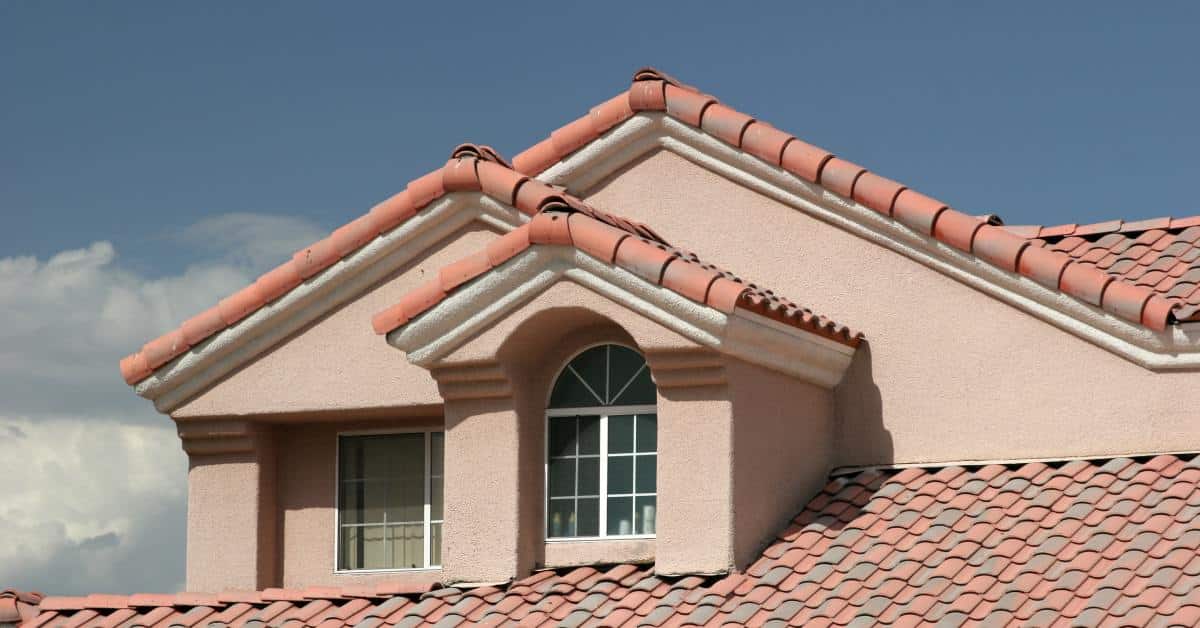
Tile is one of the most recognizable roofing materials in Arizona, and for good reason. It offers a distinctive look, holds up well in harsh sun, and can last for decades when the system underneath it is in good shape.
For many Southwestern-style homes, tile is the material that fits the architecture best. Tile can also be heavier and more specialized than other options. However, it is exceptionally important to correctly install and maintain the underlayment, flashing, and attachment details on a tile roof, as these features are what will keep it watertight.
Metal Roofing
Metal roofing is a strong option for residential applications. Homeowners usually like it for its longevity, clean appearance, and ability to shed water efficiently. It can be a great fit for owners who want a roof that feels more durable and lower maintenance over the long term.
In Arizona, metal can also be attractive from an energy standpoint when the right product and finish are selected. For instance, reflective surfaces can help reduce heat gain, which matters during long stretches of high temperatures. That does not mean every metal roof performs the same way, though, because panel type, fastening method, underlayment, and ventilation all affect the final result.
Overall, metal is usually best if you’re looking beyond the lowest upfront price and thinking more about long-term value. It is especially worth considering for homes where weather resistance and lifespan rank high on the priority list.
Popular Commercial Roofing Materials
What if you’re putting a new roof on a commercial property? In that case, you’ll probably need something other than asphalt, tile, or metal. You need materials designed for the flat or low-slope roofs commonly found on offices, retail buildings, warehouses, and multifamily properties. In those settings, drainage, seam strength, rooftop penetrations, and maintenance access become major decision points.
TPO and PVC Membranes
TPO and PVC are single-ply membrane systems commonly used on commercial buildings. They are popular because they create a clean, modern roofing surface and can perform well on buildings that need dependable waterproofing with relatively low maintenance. They are also frequently chosen when owners want a reflective roof surface that can help with heat management.
These systems can be especially useful on buildings with rooftop units, vents, and other penetrations because the detailing around those areas matters so much. If a commercial property has recurring leak points around seams or equipment, a properly planned membrane system can be an effective solution.
EPDM Roofing
EPDM is a synthetic rubber roofing membrane, and it’s another common low-slope commercial roofing material. It has been used for years and is known for its flexibility and solid weather resistance. If the roof is a good candidate (low slope and a relatively simple layout) and the drainage design supports it, EPDM may make sense.

Modified Bitumen and Built-Up Roofing
Modified bitumen and built-up roofing are multi-layer, low-slope roofing systems designed to create a durable, reinforced barrier against water, weather, and foot traffic. We still see them on commercial properties and some residential flat-roof designs.
How To Choose the Right Material
We do not recommend roofing materials by trend alone. Instead, it’s better to look at the following:
- the slope of the roof
- the presence of an existing roof
- any visible damage
- drainage behavior
- insulation needs
- your long-term goals
A roof that looks good from the street may still be the wrong choice if it does not suit your building’s structure or use. You should also consider how the roof will be used after installation. A commercial building with regular service traffic on the roof has different needs than a home with a simple pitched design. Likewise, a property with recurring ponding water, storm damage, or aging flashings may need a different solution than one with mostly cosmetic concerns.
Get Help From the Pros at Arrow Roofing
The most common roofing materials all have their place, but there is no universal best option. The right roof is the one that fits your structure, your climate exposure, your maintenance expectations, and your investment goals. So there’s a lot to consider, and we understand if you feel overwhelmed by your options. That’s where we can help. We are roofing industry experts and uniquely qualified to address the concerns of Arizona residents and business owners.
If you are weighing options for a home, we can help you compare shingles, tile, and metal in a way that matches your property. Or if you are planning a commercial roof replacement, we can help you sort through membrane and low-slope systems based on how your building needs to perform.
Whatever your needs are, know that the smartest next step is not guessing the best choice from the ground or based on what one Internet search told you. It is getting a professional inspection and then choosing a material with a clear, expert reason behind it. Contact us at Arrow Roofing today to make sure your roof installation or replacement gets done the right way with the right materials.