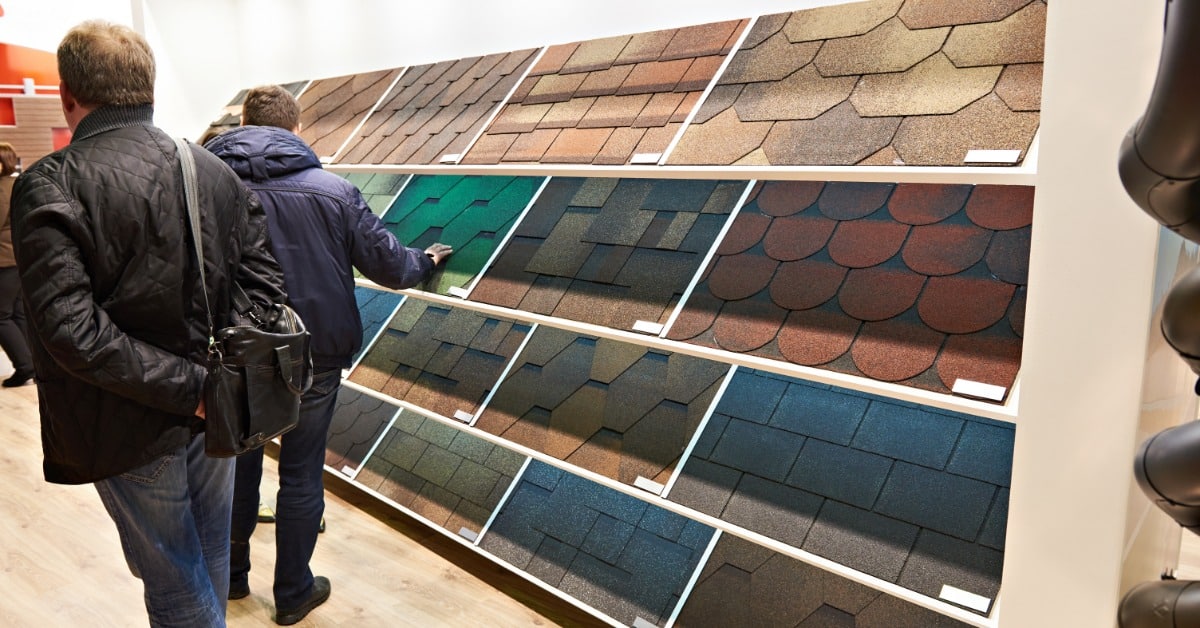
If you’ve ever touched a dark car door on a July afternoon in Phoenix, you already get the basic principle behind shingle color and energy efficiency. Dark surfaces absorb heat, whereas light ones reflect it. But your roof isn’t just a surface—it’s a system. The color of your shingles interacts with your insulation, ventilation, and more to determine how hard your home has to work to stay cool. Here’s what you should know to be a more informed homeowner and confident about any shingle repair or replacement decisions.
How Shingle Color Affects Heat Absorption
Your roof is the first thing the Arizona sun hits every morning, and it must sustain that exposure all day. Depending on the color of your roof’s shingles, the surface can heat up quite a bit. For example, on a 110-degree day, a dark-colored roof can reach surface temperatures of 150°F to 175°F. But a lighter-colored roof under the same conditions can run 50°F to 60°F cooler.
The reason has to do with solar reflectance. Darker colors absorb more solar radiation across the light spectrum, while lighter colors reflect a larger portion back into the atmosphere. That’s why the US Department of Energy has found that lighter-colored roofing materials can reduce peak cooling demand by 10–15% in hot climates. For an Arizona home where your air conditioner runs almost continuously from May through September, that’s a meaningful reduction in your monthly electricity bill. Less heat coming in through the roof means your HVAC system cycles less, and less cycling means less money and less wear on your equipment.
Light vs. Dark Shingles: Not a Black and White Choice
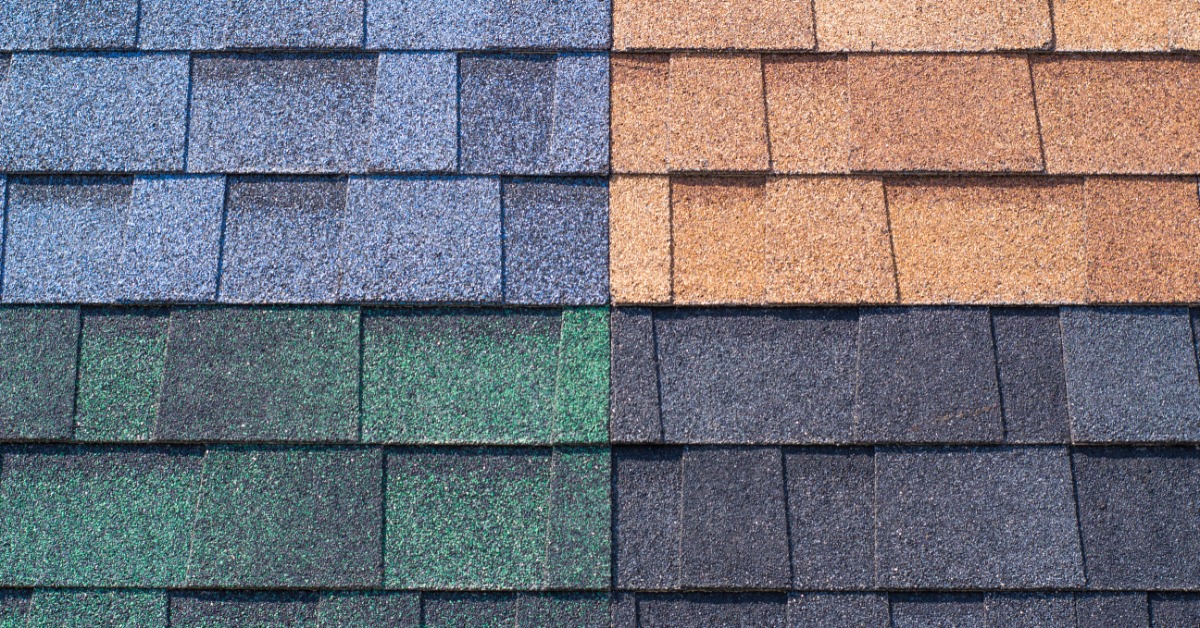
To recap, lighter shingles (like whites, tans, light grays, and beiges) reflect more sunlight and transfer less heat into your home. Dark shingles (like charcoal, dark brown, and black) absorb more heat. And shingles come in a range of colors, including red, green, blue, and yellow. Some of these colors (like yellow) fall on the lighter side, but the rest are on the higher end of heat absorption.
So if lighter shingles reflect more UV radiation, why would anyone want darker shingles? Well, darker colors are actually more energy-efficient in colder, cloudier climates. Dark colors absorb and retain more heat, making homes more comfortable even when it’s freezing out.
That said, in Arizona, snow and overcast days aren’t exactly on our radar. Our winter heating costs are minimal compared to summer cooling costs, so lighter shingles are almost always the smarter choice in terms of energy efficiency.
What To Do If You Prefer Dark Colors in a Hot Climate
If you live in Arizona and simply prefer the look of darker shingles, don’t stress. Cool roof technology can make your aesthetic dream a reality. This tech refers to how manufacturers now make shingles with specially formulated granules that reflect infrared radiation—even in darker colors!
The specification to look for is the Solar Reflectance Index (SRI). The higher it is, the better the shingle performs thermally. The EPA’s ENERGY STAR program certifies products that meet minimum reflectance thresholds. So an ENERGY STAR label on a darker shingle means it’s outperforming a standard dark shingle, even if it doesn’t match the performance of a light one.
Beyond Color: Other Important Energy-Efficiency Factors
Shingle color has a big role to play in your roof’s energy efficiency, but it’s far from the only factor. You should know how the rest of your roofing system can either maximize or hamper this efficiency. Otherwise, you could pick lighter shingles, expecting excellent energy efficiency, but not seeing returns because the rest of the system isn’t optimized.
Attic Ventilation
Even with a light-colored roof, poor attic ventilation traps heat in the attic space and sends it straight into your living areas. To avoid this, you’ll want intake vents at the soffits and exhaust vents at the ridge or near the peak. This creates airflow that pushes superheated air out and pulls in cooler outside air.
In Arizona’s extreme heat, that system has to be sized for the load. What works in Ohio doesn’t automatically work in Tucson. If you’re replacing your roof, have your contractor assess your ventilation at the same time.
Attic Insulation
Insulation works with your shingle color and your ventilation to slow heat transfer into your living space. Usually, R-38 to R-60 is a good insulation quality range for Arizona homes. Where your needs fall in that range depends on your specific location and home construction. If your insulation is old, compressed, or missing in spots, even a highly reflective shingle won’t fully protect you because the heat that does get in has nothing slowing it down. New insulation paired with a color-smart shingle choice is one of the most cost-effective combinations you can make.
Installation Quality
A shingle that’s improperly installed undermines everything else. Gaps, improper fastening, and poor sealing around penetrations create pathways for heat to enter your attic and for conditioned air to escape. In Arizona’s climate, those small installation failures add up quickly across long, hot summers.
So make sure your contractor follows manufacturer specifications and local building codes precisely. A quality installation is what makes your energy-efficient materials actually perform the way they’re rated to.
Put Your Roof to Work for Your Comfort and Your Wallet
The connection between shingle color and energy efficiency is direct, measurable, and financially meaningful in Arizona’s climate. But your shingle choice is the starting point. Ventilation, insulation, and installation quality also determine how well your shingle of choice performs over the long haul.
At Arrow Roofing, our goal is to empower our Arizona community with the information and services to make roof maintenance easy. If you need roof repair services or replacement services, we are the professionals to call. We’ll thoroughly assess your property and walk you through every choice, including shingle color and complementary systems, with expert advice. After all, we’re locals who know the Arizona climate and which roofing choices work best for it like the back of our hand. Reach out if you have any questions or would like to schedule your free inspection and no-obligation estimate.