
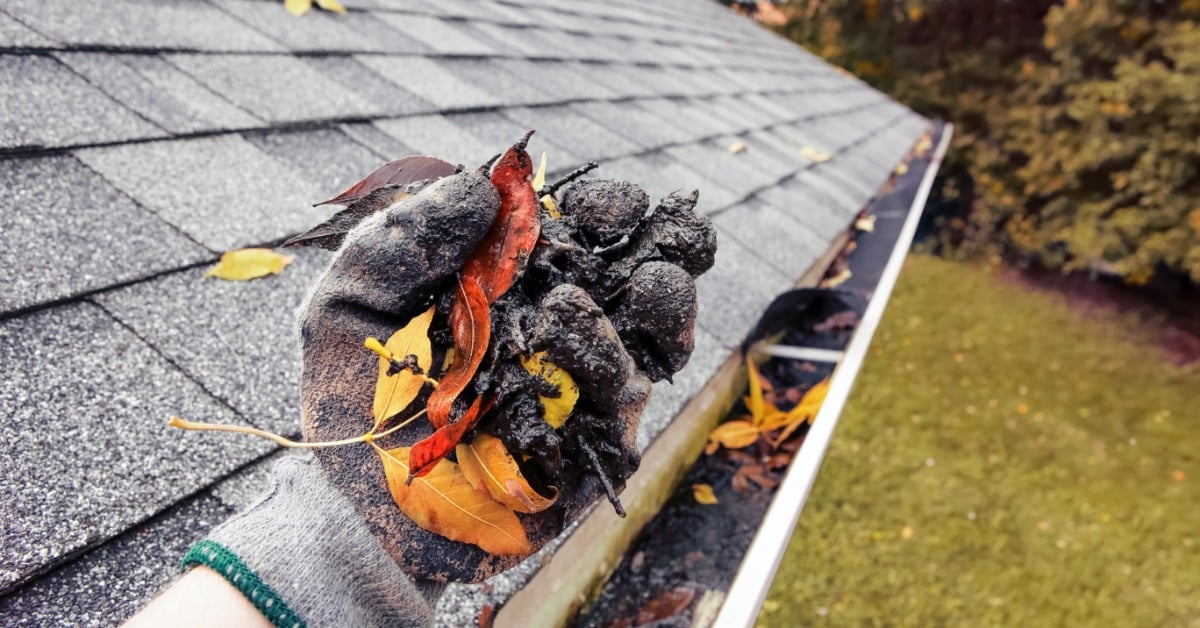
Gutters are easy to overlook until something goes wrong. They sit along the edge of the roof and move water away from the home, but many homeowners do not consider them during routine roof maintenance. When gutters age or stop draining properly, they can affect more than just the roofline.
For many homeowners, learning the seven warning signs that indicate it’s time to replace old gutters can help them know when a simple cleaning isn’t enough. Old gutters may still look serviceable from the ground, but small problems can point to a system that is no longer doing its job.
Gutters Are Pulling Away From the House
One of the clearest warning signs is a gutter that is pulling away from the home. You may notice a gap between the gutter and the roofline. In some cases, the gutter may appear to lean outward or hang unevenly. This usually means the fasteners are no longer holding properly.
It may also mean the gutter has become too heavy from trapped debris or standing water. Once the gutter starts pulling away, it cannot properly guide water. A small gap may seem minor, but it can allow water to run behind the gutter. That water may affect the fascia and nearby roof components.
When This Becomes a Bigger Concern
A gutter that pulls away again after repair should be taken seriously. Repeated movement often points to aging materials or a failing support system. A professional inspection can help determine whether the gutter can be secured or whether replacement is the better choice.
Cracks Keep Coming Back
Cracks are another important sign to watch for. A small crack may not look serious during dry weather. Once rain arrives, that crack can allow water to escape before it reaches the downspout.
Older gutters can become brittle over time. Sun exposure and age can also increase the likelihood of cracking. If one area cracks, others may not be far behind.
Temporary patching may help for a short period, but recurring cracks are different. When cracks keep returning, the gutter system may no longer be reliable. At that point, replacement may give the home better protection than another repair.
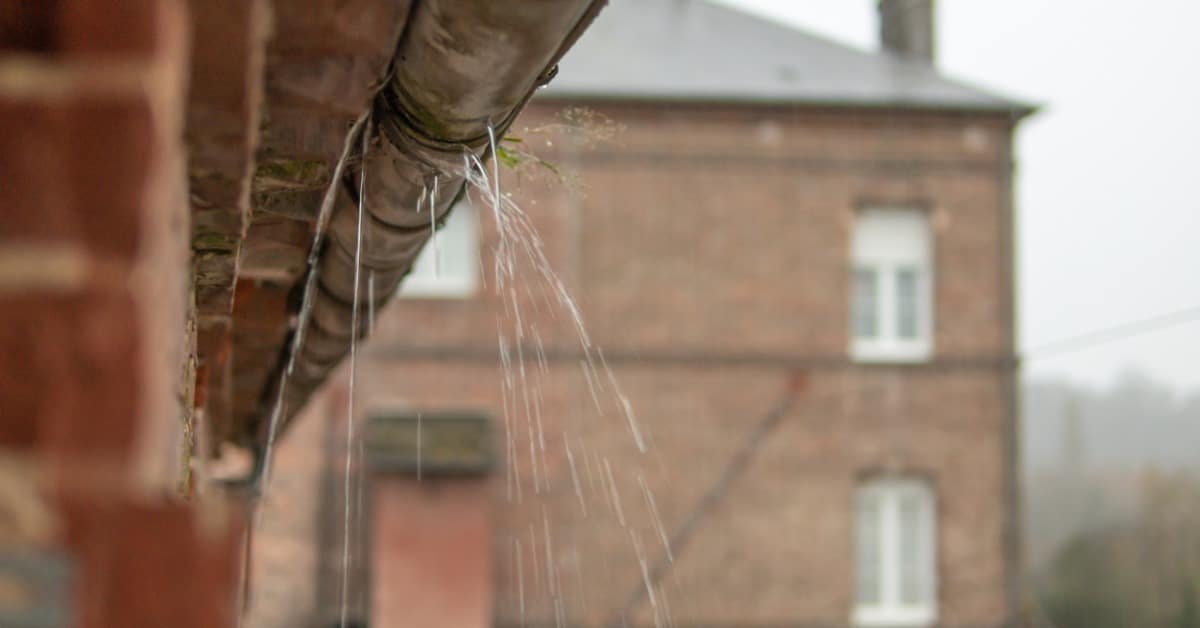
Water Spills Over the Edges
Water that spills over the edges of the gutter is a common sign of trouble. Sometimes this happens because leaves or debris are blocking the flow. In other cases, the gutter itself may be poorly sloped or too worn to efficiently convey water.
If cleaning does not solve the overflow, the problem may be more serious. Old gutters can sag or shift, preventing proper drainage. Water may then pool in low areas rather than flow toward the downspout.
Overflowing gutters can send water down the siding or directly along the side of the home. Over time, this can lead to stains and other exterior issues.
Sections Are Sagging or Uneven
A sagging gutter is easy to spot if you know what to look for. Stand at a safe distance and look along the roof edge. The gutter should appear straight and properly aligned.
If part of the gutter dips lower than the rest, it may be holding water. This can lead to more separation from the roofline. Uneven gutters may also cause water to drain in the wrong direction. Instead of flowing to the downspout, water may sit in the lowest area.
Why Sagging Gutters Should Be Checked Promptly
Sagging often means the gutter has already lost some support. If the problem is ignored, the section may eventually pull away more noticeably. A roofing professional can look at the roof edge and help determine whether the gutter issue has affected nearby materials.
Rust or Corrosion Is Showing
Rust is a sign that the gutter material is breaking down. It may start as a small spot, then spread across the surface. Once rust appears, the gutter can become weaker in that area.
Corrosion can eventually lead to holes. When that happens, water escapes through the gutter instead of draining away from the home. This reduces the system’s ability to protect the roofline and exterior.
Some surface discoloration may not mean immediate replacement. However, widespread rust is different. If several sections show corrosion, replacement may be a more sensible long-term solution.
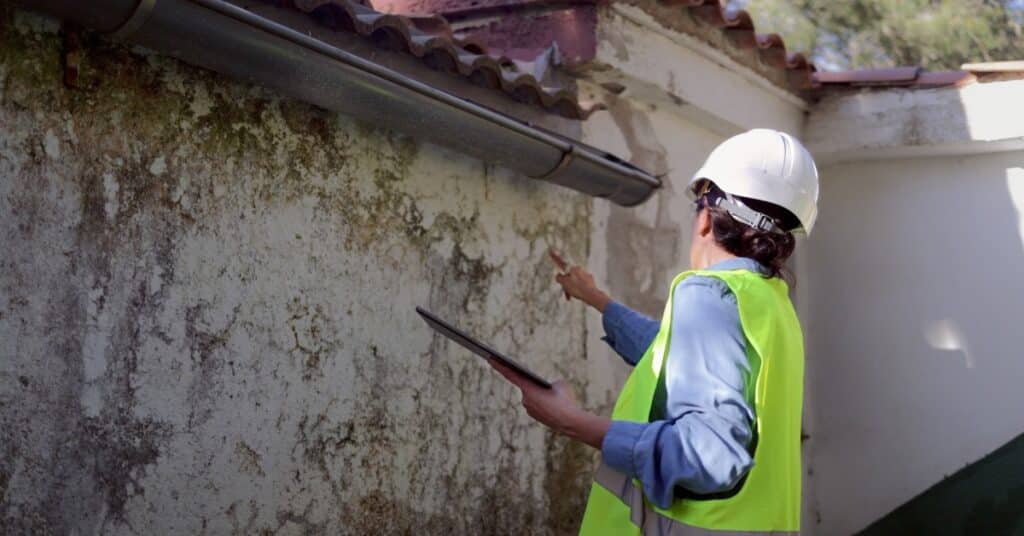
Water Marks Appear Around the Home
Water marks can tell you a lot about gutter performance. Streaks on exterior walls may indicate water is escaping from the gutter, while stains near the roofline may indicate water is running behind the gutter rather than into it.
You may also notice washed-out areas near the ground below the gutter. This can happen when water repeatedly falls in the same place. The gutter may be leaking, overflowing, or draining incorrectly.
Here are common visual clues that old gutters may need replacement:
- Gaps between the gutter and fascia
- Water dripping from seams
- Sagging along the roof edge
- Rust spots on the gutter surface
- Soil washout below the gutter line
- Stains on the exterior wall
- Loose fasteners or brackets
- Repeated overflow during storms
These clues do not always mean immediate replacement is required. They do mean the gutter system should be inspected before the problem grows.
Fascia or Roof Edge Problems Are Visible
Gutter problems often show up near the fascia. Since the gutter is attached to this board, any weakness in it can affect the entire system. If the fascia looks soft or damaged, the gutter may have been leaking behind it.
The roof edge should also be checked. Poorly draining water may affect nearby roofing materials. This can become more concerning if the gutter issue has been present for a long time.
Homeowners should avoid climbing ladders to inspect these areas closely unless they can do so safely. From the ground, you may still notice dark streaks or areas where the roof edge looks different. Those signs are enough to schedule a professional evaluation.
When Gutter Issues Signal Bigger Roofing Needs
Gutter problems sometimes reveal a larger issue with the home’s exterior. If water is getting behind the gutter, the fascia may need attention. If drainage problems have affected the roof edge, roofing materials may need to be evaluated. This is where a roofing professional can be especially helpful. The gutters may be the visible concern, but the roofline may need a closer look.
Recognizing the seven warning signs that you need to replace old gutters can help you take action with less stress. If gutters are pulling away or requiring constant repair, the system may no longer be protecting the home as it should.
Arrow Roofing Inc. works with homeowners who need a roofing contractor with local experience. Arizona weather can be tough on roofing systems, especially when storms arrive quickly after long dry periods. If your old gutters are showing warning signs, do not wait until the next storm reveals more damage. Our team can take a closer look and explain what may be happening in clear, simple terms. Request an inspection today.