
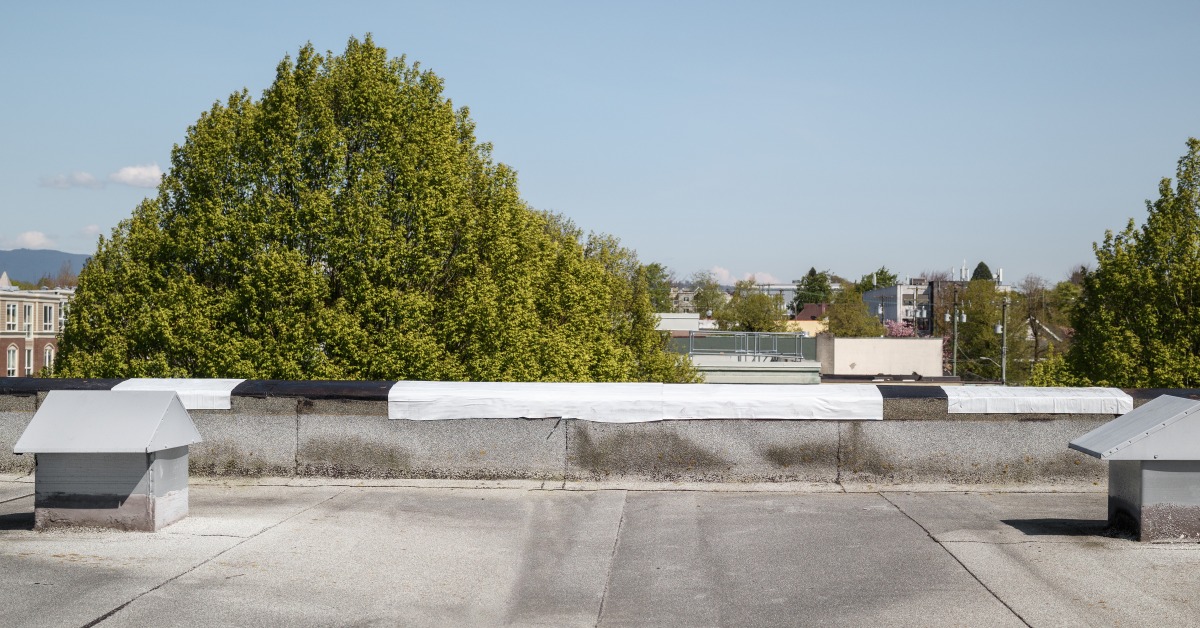
If you own a commercial property with a flat roof in Arizona, you’ve probably heard about modified bitumen roofing. Maybe you already have it on your building, or perhaps a contractor suggested it as a replacement or upgrade. But unless you’ve spent time in the roofing industry, modified bitumen roofing is one of those phrases that doesn’t mean much without some context. So let’s break it down in this complete guide. You’ll walk away knowing exactly what this roofing system is, how it works, and whether it’s the right fit for your building.
The Basics of Modified Bitumen
Modified bitumen roofing is a type of low-slope roofing system built from asphalt that’s been chemically modified with polymers to improve its performance. Standard asphalt on its own becomes brittle in cold temperatures and too soft in intense heat. The modification process fixes both of those problems.
There are two main polymers used in this process: APP (atactic polypropylene) and SBS (styrene-butadiene-styrene). APP-modified bitumen holds up better under UV exposure and extreme heat, making it a natural fit for Arizona’s climate. SBS-modified bitumen stays more flexible and elastic, which helps it handle structural movement and temperature swings.
The Anatomy of a Modified Bitumen System
Modified bitumen systems feature multiple layers. You’ve got a base sheet, one or more mid-plies, and a cap sheet on top.
The base sheet is the foundation, fastened mechanically or adhered directly to the roof deck. On top of that sits one or more mid-ply layers, which add thickness and redundancy. These interply sheets are commonly fiberglass-reinforced, and they’re what give the overall system its multi-barrier protection against water intrusion.
The cap sheet is the topmost layer and handles direct exposure to weather, UV radiation, and foot traffic. Most cap sheets contain ceramic-coated granules that deflect solar energy and shield the asphalt beneath. Some cap sheets use a smooth surface with a field-applied reflective coating instead, which is very energy efficient.
Installation Methods: Torch, Cold-Applied, and Self-Adhering
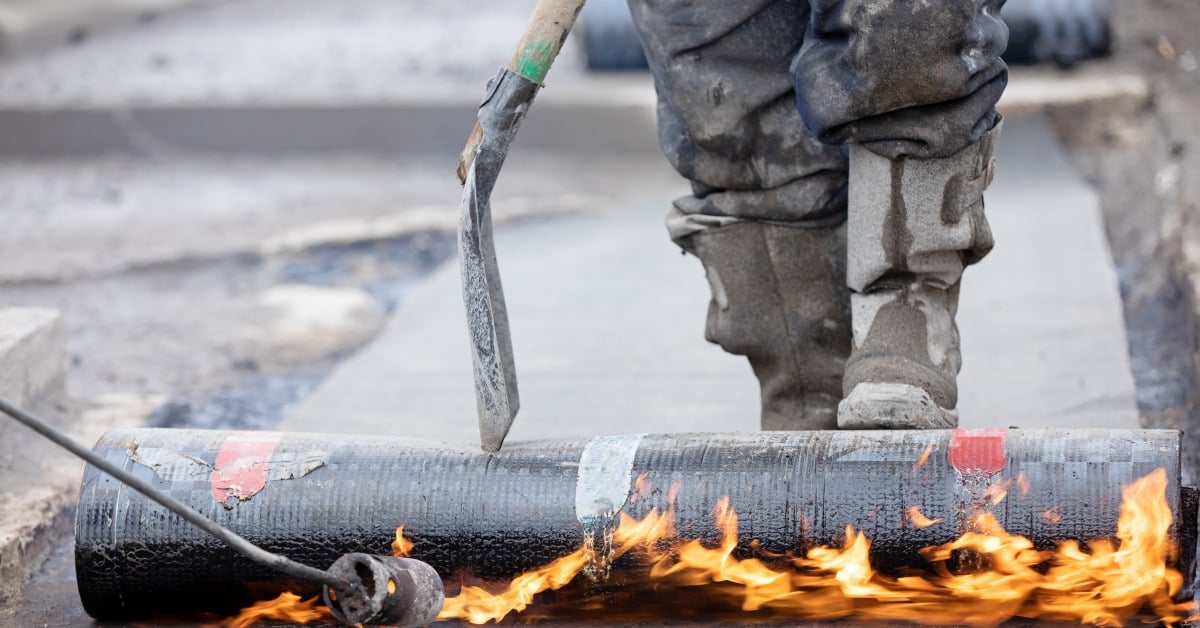
One of the most common questions commercial property owners ask is how modified bitumen gets installed. There are three primary methods, and the right one for your building depends on its structure, the existing roof condition, and your contractor’s recommendation.
Torch Application
Torch application is the most traditional method. A roofer uses an open-flame torch to heat the underside of each membrane layer, which activates the asphalt and bonds it to the substrate.
Cold Application
Cold-applied systems use adhesives instead of heat. Contractors use this method when open flame isn’t allowed or is otherwise impractical. It takes longer to cure but eliminates the fire risk.
Self-Adhesion
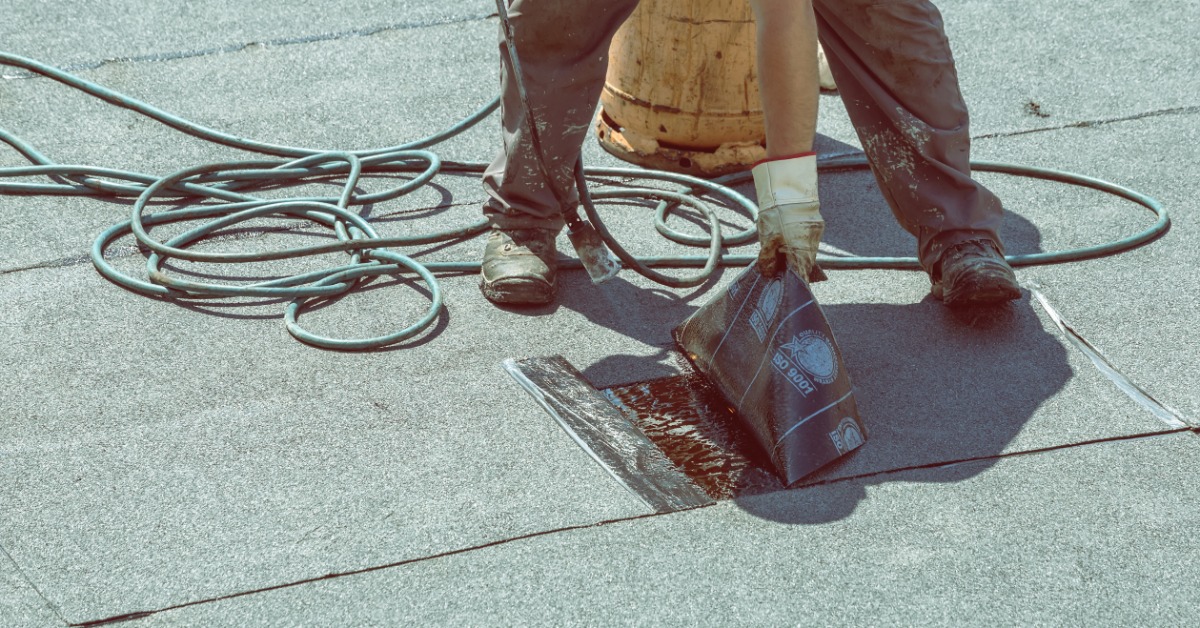
Self-adhering (also called peel-and-stick) membranes have a factory-applied adhesive on the back. Contractors simply peel off the release liner and press the membrane into place.
The Lifespan and Durability of Modified Bitumen
A properly installed modified bitumen roof can last 20 years or more when it receives consistent maintenance. That number, however, drops significantly if the system suffers incorrect installation or neglect.
To increase longevity, opt for a multi-ply construction. If one layer develops a problem, the layers beneath it provide a backup. Water has to breach multiple barriers before it can reach the interior of the building.
Common Applications for Commercial Buildings
Modified bitumen roofing works well on a wide range of commercial structures, particularly those with flat or low-slope roofs. You’ll typically find it on retail strip centers, warehouses, office buildings, schools, and industrial facilities.
It’s also commonly used in roofing systems where multiple roof sections meet or where penetrations like HVAC units, vents, and skylights create potential weak points. The material is easy to detail around those penetrations, mitigating water intrusion at those junctions.
For buildings that have existing built-up roofing (BUR), modified bitumen is often used as a recover system. Instead of tearing off the old roof entirely, a contractor can install modified bitumen over the existing surface, which saves on labor and disposal costs.
Maintenance Requirements You Should Know
No roofing system is truly maintenance-free, and modified bitumen is no exception.
Inspections
Twice-yearly inspections are the standard recommendation, typically before and after monsoon season for Arizona properties. A qualified roofer will check for membrane separations, blistering, granule loss, and any issues around flashings or penetrations.
Minor Repairs
Minor repairs are relatively straightforward with modified bitumen. Small punctures, tears, or seam failures can often be addressed with compatible patching materials without requiring a full roof replacement. But catching those issues early is what keeps a manageable repair from turning into a costly replacement.
Drainage
Standing water is also something to watch for. Modified bitumen handles brief ponding reasonably well, but water that sits for more than 48 hours after a rain event can accelerate membrane degradation. If your roof has drainage problems, you must address them before acquiring a modified bitumen roof to promote system longevity.
How Modified Bitumen Compares to Other Flat Roofing Systems
Property owners in Arizona typically evaluate modified bitumen against TPO, EPDM, and traditional built-up roofing (BUR). Each system has its strengths, but modified bitumen has a few specific advantages.
Compared to EPDM, modified bitumen tends to perform better in high-UV environments. EPDM is a rubber-based material that can degrade faster under intense sun exposure without proper maintenance.
Compared to TPO, modified bitumen is often the better choice for Arizona roofs that see frequent foot traffic, rooftop equipment servicing, or greater exposure to punctures and wind-blown debris. Its multi-ply construction provides added redundancy and resistance to mechanical abuse, and reflective cap-sheet options can still support cool-roof performance.
Lastly, compared to traditional BUR, modified bitumen is faster to install, easier to repair, and longer lasting. BUR systems require multiple layers of asphalt and felt, which take more time to install and aren’t as durable.
The Right Roof Starts with the Right Information
Understanding what modified bitumen roofing is puts you in a stronger position when it’s time to talk to a contractor, compare bids, or assess whether your current roof needs attention. The more informed you are, the better decisions you’ll make for your property.
If you’re dealing with an existing roofing issue or just want a professional assessment of your commercial roof’s condition, get in touch with Arrow Roofing. We offer commercial roof repair and installation, and we are extremely experienced working with modified bitumen. Schedule your free inspection today!