
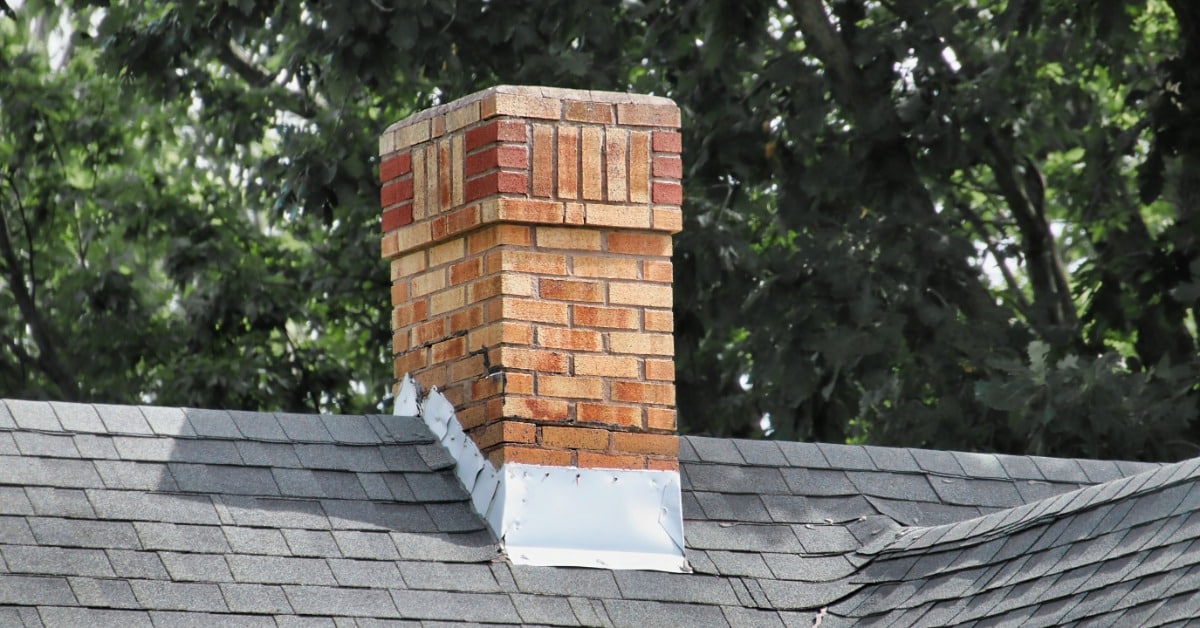
Roof leaks often seem to appear suddenly, but many begin with small warning signs that were present for a while. One of the most common places to find early trouble is around the roof flashing, as it helps protect the areas where roofing materials meet other surfaces or openings.
Knowing how to spot damaged roof flashing before it leaks helps prevent more stress inside the home. In particular, this is especially helpful for older homeowners who want to stay ahead of repairs without climbing on the roof or guessing about what they are seeing.
What Is Roof Flashing
Roofers install flashing as a protective material wherever water is more likely to get under the roofing. These areas need extra protection because they are not as simple as an open stretch of shingles. Any place where the roof changes direction or meets another surface may need flashing.
When roofers install flashing properly, it guides water away from vulnerable areas. When it becomes loose or worn, water may begin to travel where it should not. At first, the problem may be small enough that you do not notice it indoors. If you catch the issue early, you can prevent a minor repair from becoming a larger roofing concern.
Why Early Signs Are Easy To Miss
Flashing is not always easy to see. In fact, some of it may be tucked under shingles or positioned behind other roof components. From the ground, you may only notice a change in shape or a section that looks out of place.
Flashing Looks Loose or Lifted
Loose flashing is one of the clearest warning signs. It may look like an edge has popped up or shifted away from the surface it is supposed to protect. Even a small lifted area can create a path for wind-driven rain. In Arizona, strong seasonal winds can make this problem worse. Once the flashing has moved, the next storm may push water underneath, which may not show up right away inside the home.
Homeowners should never try to press flashing back into place from a ladder without knowing what caused the movement. The fasteners may be failing, or the surrounding roofing materials may also need attention.
Sealant Is Cracked or Missing
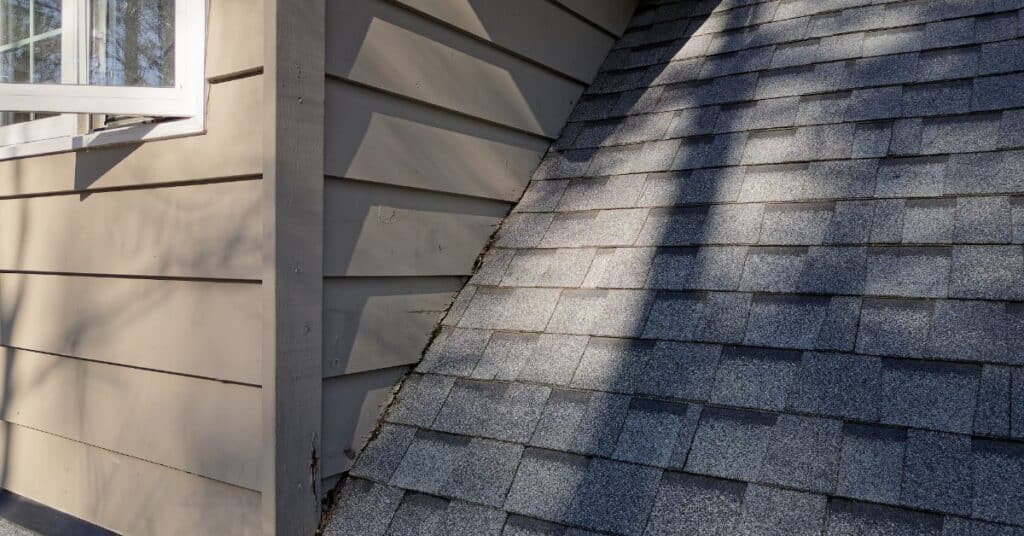
Some flashing areas include sealant as part of the water-protection system. Over time, sealant can dry or pull away. When that happens, the area may no longer be sealed as intended. Cracked sealant can be difficult to notice from the ground. You may see a rough line or a gap near the flashing.
This kind of damage can cause water to enter through very small openings. A roofing contractor will determine whether to refresh the sealant or repair the flashing itself. The right answer depends on the condition of the material beneath and around it.
Rust, Corrosion, or Surface Wear Appears
Flashing can weaken as it ages. For example, rust or corrosion may appear as discolored spots on the surface. In some cases, the flashing may look rough or worn along the edges. A small spot may not always mean immediate failure. However, widespread surface wear can be a warning that the flashing is no longer dependable. If the material has started to break down, water protection may be reduced.
Arizona weather can be tough on exterior materials due to long dry periods followed by sudden storms, which can quickly expose weak areas. That’s why, if rust or corrosion is visible from the ground, the issue should be checked. Waiting until water stains appear indoors may allow the problem to grow.
Nearby Shingles Look Disturbed
Flashing and shingles work together. If the shingles near the flashing are uneven, the flashing area may be at risk. A damaged shingle can allow water to reach the flashing from the wrong direction. This can happen after storms or after previous repair work. It can also happen as the roof ages.
When shingles no longer lie flat near a flashing area, water may not shed properly. For this reason, homeowners should look for areas that appear different from the rest of the roof.
Water Stains Show Near the Roofline
Water stains are often the first sign homeowners notice. A stain may appear near a ceiling edge or along an upper wall. Sometimes it shows after a heavy storm and then seems to dry out.
Even if the stain looks small, it should not be ignored. Stains can mean water has already traveled through part of the roofing system. Flashing is not always the cause, but it is one area a professional should check.
Here are common warning signs homeowners may notice before a flashing-related leak becomes obvious:
- Lifted flashing edges
- Cracked sealant lines
- Rust-colored surface marks
- Uneven shingles near roof transitions
- Stains near ceiling edges
- Dark streaks below roofline areas
- Repeated repairs in the same spot
- Loose material after wind or storm activity
These signs do not always confirm a leak. However, they do mean the roof should be inspected before the next storm has a chance to test the weak area again.
Flashing Has Pulled Away From a Wall
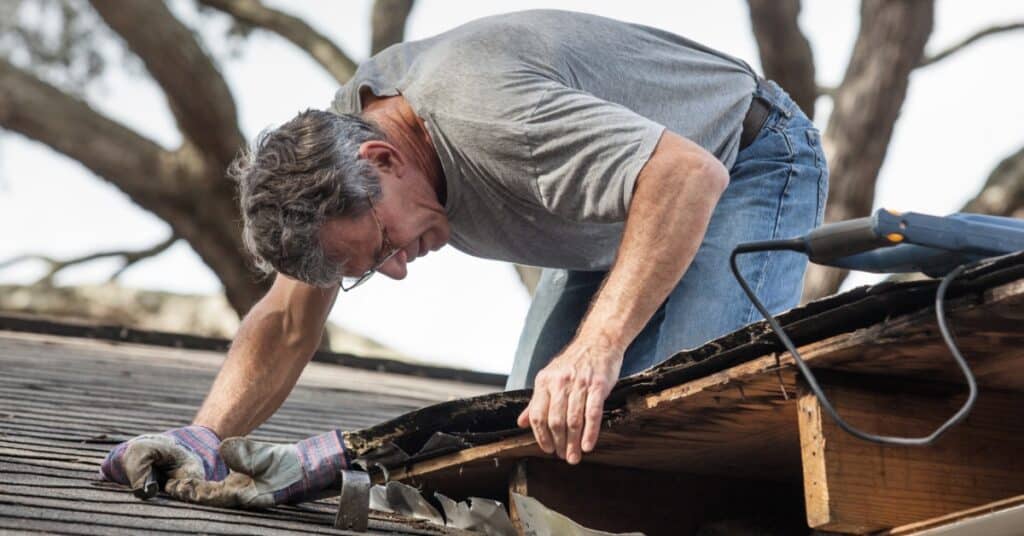
Some flashing is installed where the roof meets a wall or raised surface. If that flashing pulls away, water may run behind it. This can be a serious concern because the damage may stay hidden for a while.
From the ground, you may notice a gap or a shadow line that looks unusual. You may also see a section that no longer sits snugly against the surface. That separation can become worse with a strong gust of wind.
A roofing professional should handle this type of flashing problem. The professional may need to check the surrounding materials so the repair seals the transition properly.
Previous Repairs Keep Failing
A roof area that needs repair again and again is trying to tell you something. If flashing has been adjusted more than once, the underlying issue may not have been fully corrected. Repeated repairs can point to aging materials or improper installation. This is especially important around areas that have already leaked in the past. A stain that returns after each storm can mean the repair did not solve the source.
Homeowners often want the simplest fix, and that is understandable. However, the simplest fix is not always the most dependable one. A professional roofing contractor can explain whether a targeted repair is still reasonable or whether a more complete solution is needed.
When To Call a Roofing Professional
A professional inspection can confirm whether the flashing is damaged and whether nearby shingles need attention. It can also help determine whether the issue is limited to one spot or connected to a larger roofing concern.
Learning how to spot damaged roof flashing before it leaks gives you a better chance to protect your home early. If you notice lifted flashing or recurring issues in the same area, a qualified roofing professional can take a closer look and explain the next steps in simple terms.
Arrow Roofing is a trusted, dependable roof repair contractor that is ready to assist you. If you have noticed signs of trouble around your roof, such as loose flashing or stains near the roofline, our experienced team can take a closer look before the issue develops into a leak. We will carefully inspect the area and help you understand the most practical next steps to protect your home.