
Homeowners don’t always think about attic ventilation when they care for a roof. Most notice visible wear long before considering how air moves above the ceiling. Still, the attic plays a key role in the roofing system’s performance.
In Arizona, attic heat can be especially demanding. Long stretches of sun can make roof surfaces and attic spaces work harder. A properly ventilated attic allows hot air to escape and fresh air to enter, which can help reduce heat buildup and improve overall comfort in your home. Read on as we discuss seven tips to boost your attic ventilation and efficiency.
Tip 1: Check for Proper Intake Ventilation
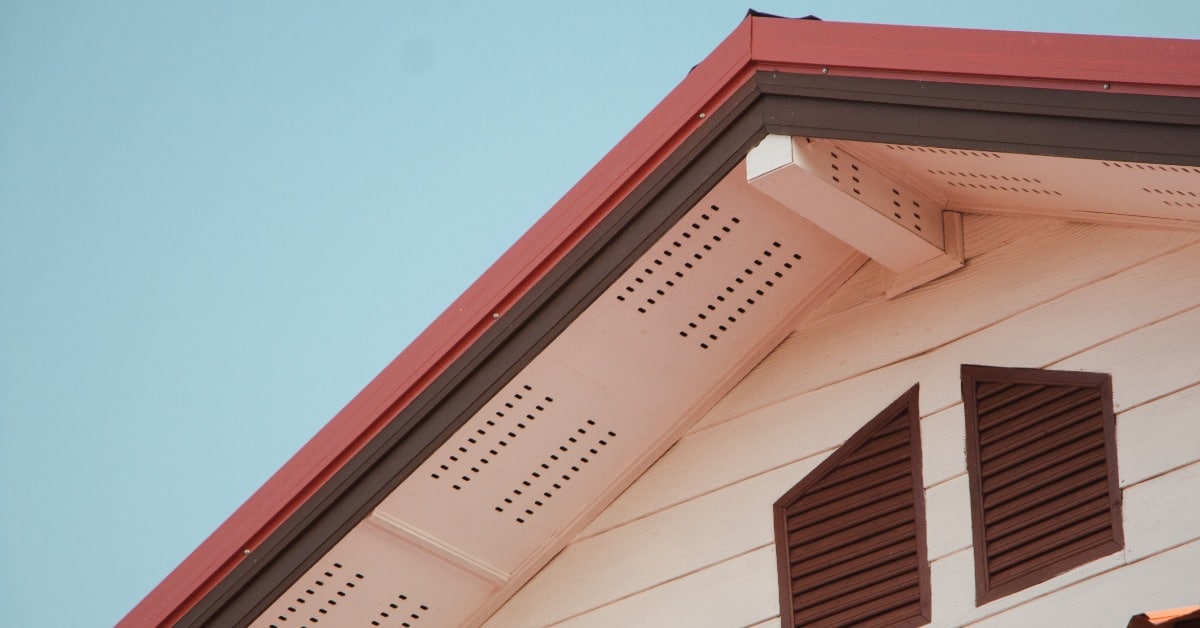
Intake vents allow fresh air to enter the attic. These vents are often located near the lower edges of the roof, commonly at the soffits, which are the underside of the roof overhang.
If you don’t provide enough intake ventilation, the attic won’t get the fresh air it needs. Exhaust vents can’t do their job if air doesn’t enter from the right areas, so always consider intake and exhaust together.
Look for signs that soffit vents are blocked or missing. From the ground, you might see whether vents are present under the eaves, but it isn’t always easy to tell if they’re working properly. In that case, ask a professional to inspect and confirm your intake ventilation is clear and effective.
Tip 2: Make Sure Exhaust Vents Can Release Hot Air
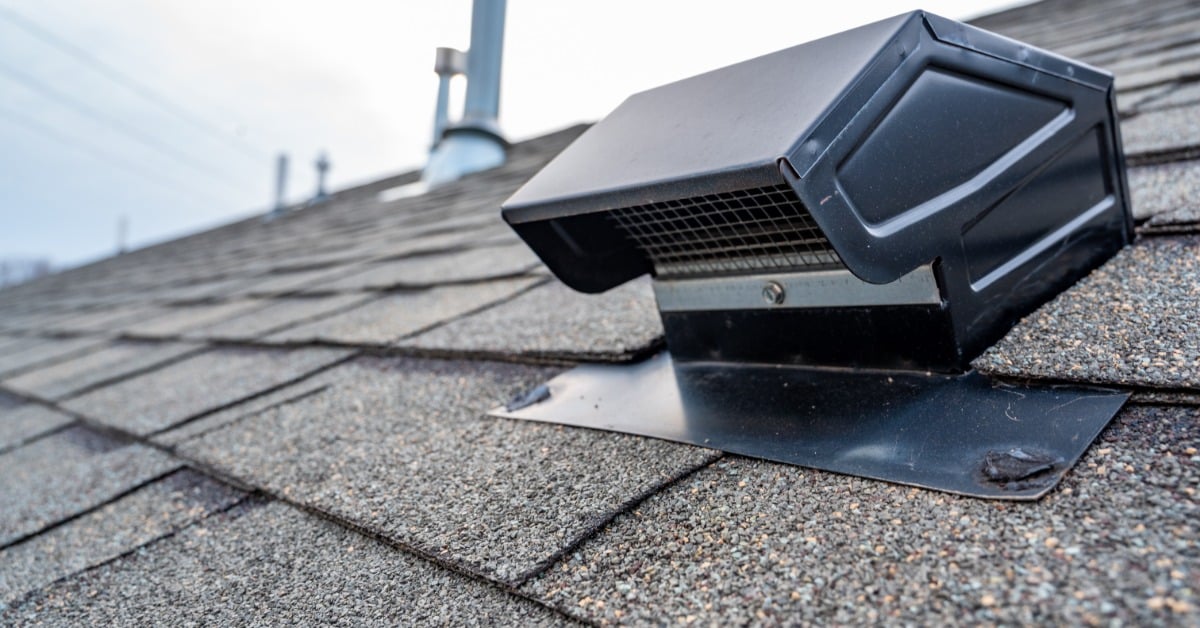
Exhaust vents let hot attic air leave your home. You’ll usually find them near the upper part of the roof, where they help heat escape instead of staying trapped under the roof deck. If exhaust vents are damaged, blocked, or poorly placed, the attic stays hotter than it should. This makes the entire ventilation system less effective.
Don’t assume more vents always mean better performance. You still need to balance ventilation, since too much exhaust without enough intake causes airflow problems.
Tip 3: Look for Signs of Trapped Attic Heat
You can spot trapped attic heat in a few ways. Some signs are easy to feel inside the home, but others only show up during a roof inspection. For example, rooms beneath the attic might feel warmer than the rest of the house, or the home may be harder to cool during the hottest part of the day. While these signs don’t always mean ventilation is the only issue, pay attention to them.
The roof itself can show signs of heat stress over time. Shingles age faster if you don’t manage the conditions beneath them. Ask a roofing professional to check whether ventilation is causing visible roof wear.
Tip 4: Keep Insulation From Blocking Airflow
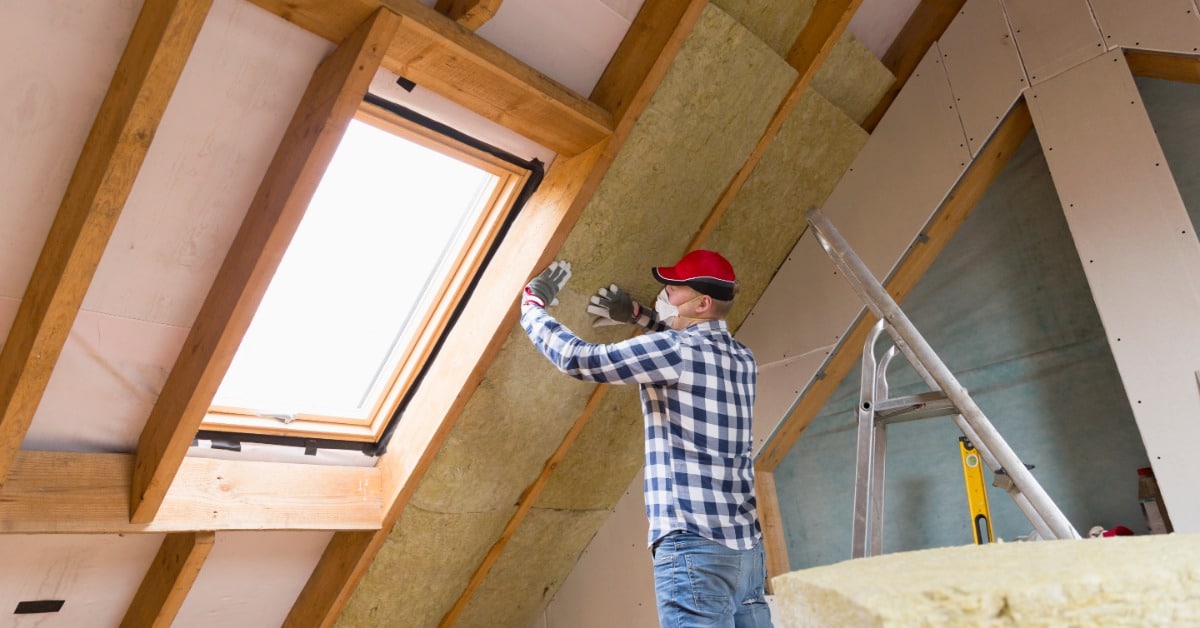
Insulation helps with energy efficiency, but don’t let it block attic ventilation. If insulation covers intake vents, air can’t move into the attic properly, and the whole system works less effectively. Since insulation may shift over time, you’ll want to check for this issue. When insulation blocks airflow, you can have vents but still lack proper ventilation.
Baffles, which are small ventilation aids that prevent insulation from blocking airflow near the roof edge, may be used in some attic spaces to help maintain an open air channel. However, not every home needs the same setup, so a professional should evaluate the attic before making changes.
Be cautious if you move insulation yourself. Attic spaces can be tough to navigate safely, and you might not notice electrical or structural issues at first glance.
Tip 5: Inspect Vents After Storms and Wind
Arizona weather changes quickly. Strong winds and seasonal storms move debris across the roof and can loosen or damage vent components. After a storm, check for visible changes from the ground. A vent might look out of place, or you may spot debris near roof vents. Storms can also affect flashing around vents. Flashing seals roof openings and transitions, so if it’s damaged, the area becomes vulnerable during the next rain.
Tip 6: Watch for Uneven Indoor Comfort
Pay attention to indoor comfort for clues about attic performance. If certain rooms feel unusually warm, especially those directly below the attic, your ventilation might need attention.
Many older homeowners notice comfort changes before spotting roofing problems. If a room that once felt comfortable now gets warm on summer afternoons, mention that during a roof inspection.
Here are signs that ventilation may deserve a closer look:
- Upstairs rooms feel warmer than expected.
- Cooling feels less effective in certain areas.
- Attic air feels extremely hot during mild weather.
- Roof vents appear blocked or damaged.
- Soffit vents are covered or difficult to see.
- Shingles show uneven aging.
- Past roof repairs keep happening near vents.
These signs don’t prove ventilation is the only issue, but they do suggest you should have a professional inspect the attic and roof system together.
Tip 7: Have Ventilation Reviewed During Roof Repairs
Use roof repairs as an opportunity to review attic ventilation. If a contractor already inspects shingles or roof edges, ask about airflow as well. This helps identify problems that might otherwise go unnoticed.
Ventilation issues sometimes connect to other roofing problems. For example, a damaged vent can affect both airflow and water protection. If your roof is older, review ventilation before making replacement decisions. A new roof installed over poor ventilation won’t perform as well as it should.
A good roofing contractor explains their findings in plain language. Don’t hesitate to ask what each vent does and whether the attic has balanced airflow.
When To Call a Roofing Professional
These seven tips to boost your attic ventilation and efficiency can help you understand what your roof and attic might need. If you notice damaged vents, uneven comfort, visible roof wear, or have concerns after a storm, call a roofing professional. Your attic and roof need to work as a connected system.
Arrow Roofing Inc. is a roofing company that helps homeowners in Prescott and surrounding Arizona communities with roof repairs and replacements. With decades of local experience, our team understands how Arizona weather affects roofing materials and attic performance. If your attic feels too hot or you’re unsure about your home’s airflow, we’ll inspect your roofing system and explain what might be affecting ventilation in clear, simple terms. Contact us today!