
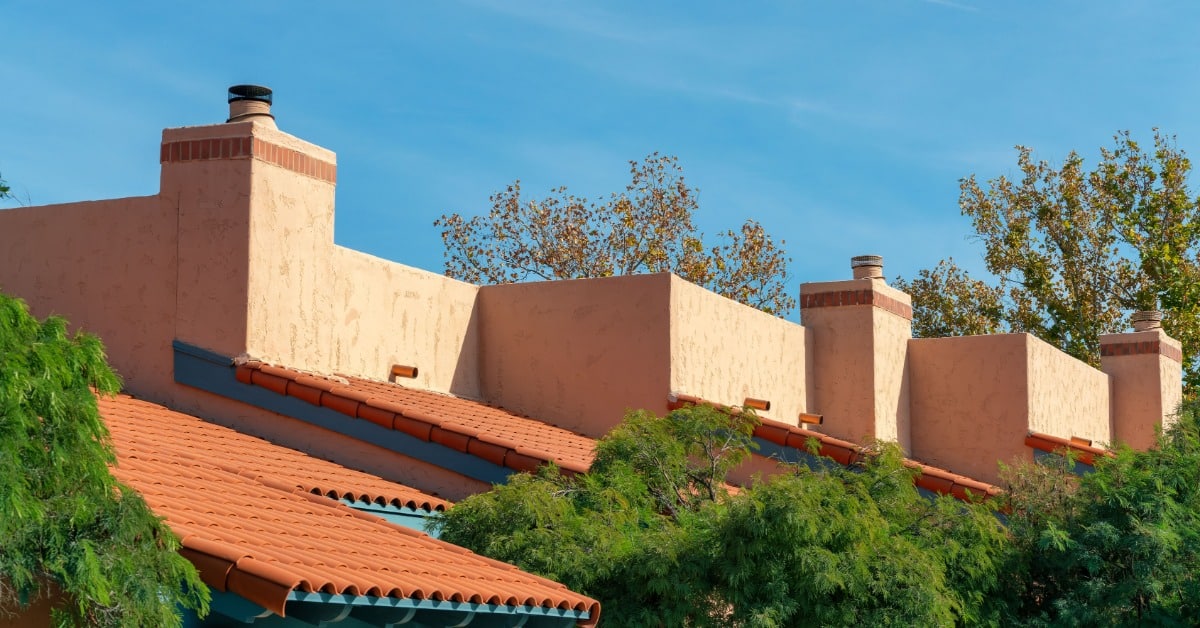
Your roof protects your home every day, but even well-installed roofing materials eventually wear down. In Arizona, years of strong sunlight shorten the time a roof stays in good condition. Understanding what to expect allows you to recognize when your roof needs attention and when replacement makes sense.
If you research the average roof lifespan in Arizona, you’ll find that the answer depends largely on the roofing material. Asphalt shingles last for a different length of time than tile, and flat roofing systems require their own maintenance approach.
What Determines How Long an Arizona Roof Lasts?
Manufacturers provide general service-life expectations for roofs, but those estimates do not account for every home’s conditions. For example, two neighboring homes might have roofs installed during the same year and experience different levels of wear. One attic has balanced ventilation, while the other traps excessive heat beneath the roof deck. Over time, that difference affects how the roofing materials age.
That is why you should consider the roof’s current condition alongside its age. A professional inspection helps you determine whether the roofing system performs as expected.
How Long Do Asphalt Shingle Roofs Last in Arizona?
Asphalt shingles are a familiar roofing material on many Arizona homes. They offer dependable protection when installed correctly, although prolonged sunlight gradually wears them down.
As a general planning range, homeowners in sunny parts of Arizona often expect asphalt shingle roofs to last approximately 15 to 30 years. Traditional 3-tab shingles usually last toward the lower end of this range, while architectural shingles often deliver a longer service life.
These ranges do not set automatic replacement deadlines. The actual lifespan depends on the product and its exposure conditions. Proper installation also influences how well the roof performs over time.
Traditional 3-Tab Shingles
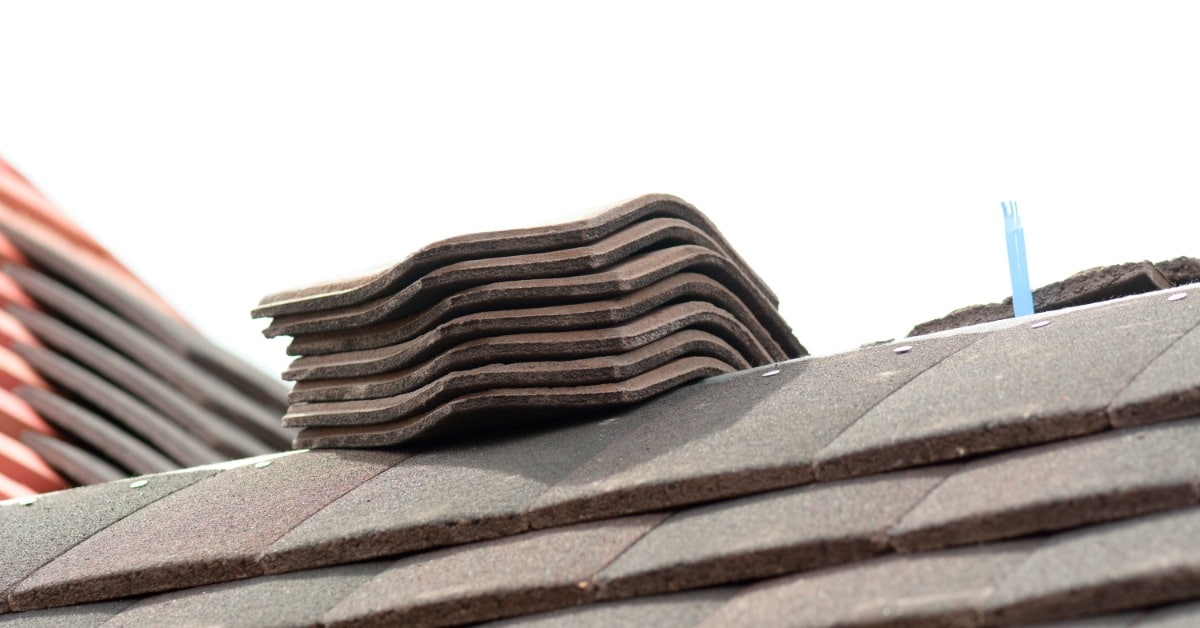
Traditional 3-tab shingles have a relatively thin profile and a uniform appearance. In areas with prolonged sun exposure, homeowners often plan for a lifespan of approximately 15 to 20 years.
As the shingles age, their protective surface can deteriorate. You might notice curling edges or sections that no longer lie flat against the roof. Once these changes become widespread, individual repairs become less practical. An inspection determines whether the roofing material still provides adequate protection.
Architectural Shingles
Architectural shingles use a thicker, layered construction. They generally last longer than traditional 3-tab shingles, and many products remain serviceable for approximately 20 to 30 years under suitable conditions. If you have architectural shingles, monitor surface wear and areas that need repeated repairs. Let the condition of the entire roof determine your replacement timeline.
How Long Do Clay and Concrete Tile Roofs Last?
Tile roofing lasts considerably longer than asphalt shingles. Properly installed and maintained clay and concrete tiles often last 50 years or more. However, you should distinguish between the lifespan of the tiles and the lifespan of the complete roofing system.
The tiles themselves shed much of the water that reaches the roof. The underlayment beneath them adds a protective barrier and prevents water from reaching the roof deck. The underlayment usually wears out before the tiles do.
Lifespan of Tile Underlayment
Depending on the material and installation conditions, tile roof underlayment often needs replacement after approximately 15 to 30 years. Modern underlayment products may last longer or shorter, so always verify the expected lifespan for your system.
How Does Arizona’s Climate Affect Roof Aging?
Arizona’s climate challenges roofing materials, although conditions differ throughout the state. Prescott and other higher-elevation communities generally stay cooler than the Phoenix area. However, roofs throughout Arizona still receive substantial sunlight every year.
Sun exposure especially affects asphalt shingles. Their protective granules shield the underlying asphalt from ultraviolet radiation. As the shingles age and lose that protection, the material becomes more vulnerable to deterioration.
Roofing materials expand as they warm and contract as temperatures fall. Over many years, this movement stresses aging materials and vulnerable roof connections.
What Are the Signs That Your Roof Is Nearing the End of Its Life?
A roof does not always develop a major leak before reaching the end of its useful life. Gradual deterioration can provide earlier clues that the system needs professional attention, so watch for signs that the roof is nearing the end of its life.
Watch for these conditions:
- Curling shingles: Edges lift away from the roof surface as the material deteriorates.
- Excessive granule loss: Large areas of exposed asphalt indicate that the shingles have lost protective material.
- Cracked roofing materials: Damaged shingles or tiles leave vulnerable areas that require evaluation.
- Recurring leaks: Water intrusion that returns after repairs can indicate a broader roofing problem.
- Worn flashing: Damaged material around roof openings creates potential entry points for water.
- Ceiling stains: Discoloration indoors can indicate that water has entered the roofing system.
- Repeated repairs: Problems developing across several roof areas can make replacement more practical.
Not every item on this list means your roof needs immediate replacement. However, when several warning signs appear together, consider a professional, comprehensive roof inspection.
How Can You Help Your Roof Last Longer?
Regular maintenance cannot stop roofing materials from aging, but it helps you address problems before they affect larger sections of the roof. Pay attention to visible changes from the ground. If you see shingles lifting or a section of tile disturbed, arrange an inspection rather than wait for a leak.
Give drainage special attention. Gutters and roof drains must direct water away from the roofing system. If debris blocks drainage, water can gather where it should not.
Keep a record of previous roofing work. Record when you installed the roof and what repairs you have completed, so you can give contractors useful information during future inspections.
Schedule Inspections Before Problems Become Extensive
An inspection may reveal deterioration that you cannot see from the ground. For an older shingle roof, a contractor examines surface wear and checks the condition of the surrounding materials. On a tile roof, the inspection checks whether the underlayment is nearing the end of its useful life. The goal is to spot developing problems while you still have practical options for addressing them.
Plan Ahead Instead of Waiting for a Major Leak
If your roof is approaching the upper end of its expected service life, schedule an inspection before significant damage occurs. An inspection clarifies the roof’s condition. From there, decide whether continued maintenance makes sense or whether you should consider replacement.
Knowing the average roof lifespan in Arizona gives you a useful reference point, but understanding your particular roofing system matters more than any general number.
Arrow Roofing offers both residential and commercial roof replacement for properties throughout Prescott and surrounding Arizona communities. With over 40 years of experience, our team understands how Arizona’s intense sun and changing temperatures affect roofing materials over time. If your roof is approaching the end of its expected lifespan or showing signs of deterioration, we can inspect its condition and explain whether replacement is the right next step. Contact Arrow Roofing today to schedule a professional roof inspection.