
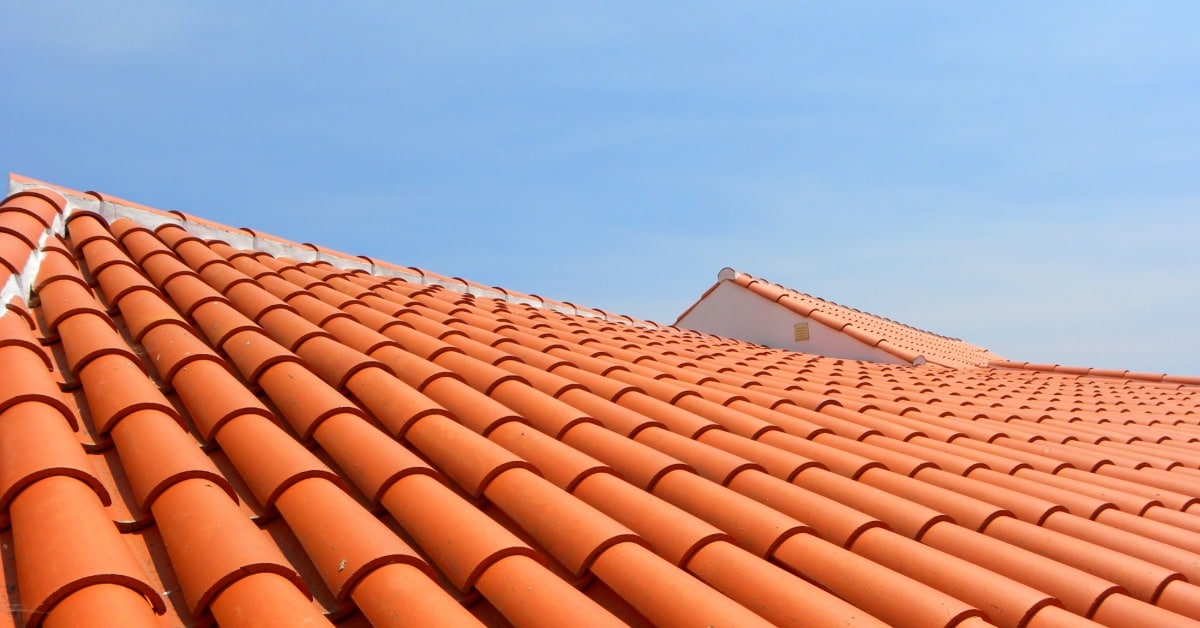
If you’re a homeowner in Arizona, you already know the sun doesn’t mess around. Triple-digit temperatures, intense UV exposure, and the occasional monsoon season put your home through a lot, and your roof takes the brunt of it. Tile roofs are incredibly popular in Arizona and other hot climates because they’re uniquely qualified to handle these conditions. However, they’re not impervious to damage and the effects of time.
So how long should a tile roof last in Arizona heat? The answer depends on a few key factors, and knowing them can help you make smarter decisions about your home. Read on as we explore the basics of this timeline, as well as when and how you know it’s time to repair or replace your roof.
The Average Lifespan of a Tile Roof
Tile roofs are built to last. Concrete tile typically has a lifespan of 30 to 50 years, while clay tile can go 50 to 100 years or more when it’s properly maintained. These aren’t fragile materials. They’re dense, heavy, and designed to hold up against the elements, which is a big part of why they’re so popular in the Southwest.
That said, the lifespan numbers you hear thrown around assume average conditions. Arizona’s climate is anything but average. The heat here accelerates wear on everything around the tile, including the underlayment, flashing, and fasteners, even if the tiles themselves look fine on the surface.
What Arizona’s Climate Does to Your Roof
The tile itself handles heat reasonably well. Clay and concrete are both non-combustible and don’t warp or melt under the sun. But the components underneath tell a different story.
The underlayment, which is the layer between your tiles and the roof deck, degrades faster in all conditions, especially extreme heat. In Arizona, a standard underlayment might last 15 to 20 years before it starts breaking down, even if your tiles still look great from the street. Once the underlayment goes, you’re at risk for leaks every time it rains, even though the tile above it looks perfectly intact.
UV radiation also breaks down sealants, caulking around flashing, and any adhesive components. It’s not just the temperature; it’s the constant, relentless sun exposure that stacks up year after year.
The Role of Installation Quality
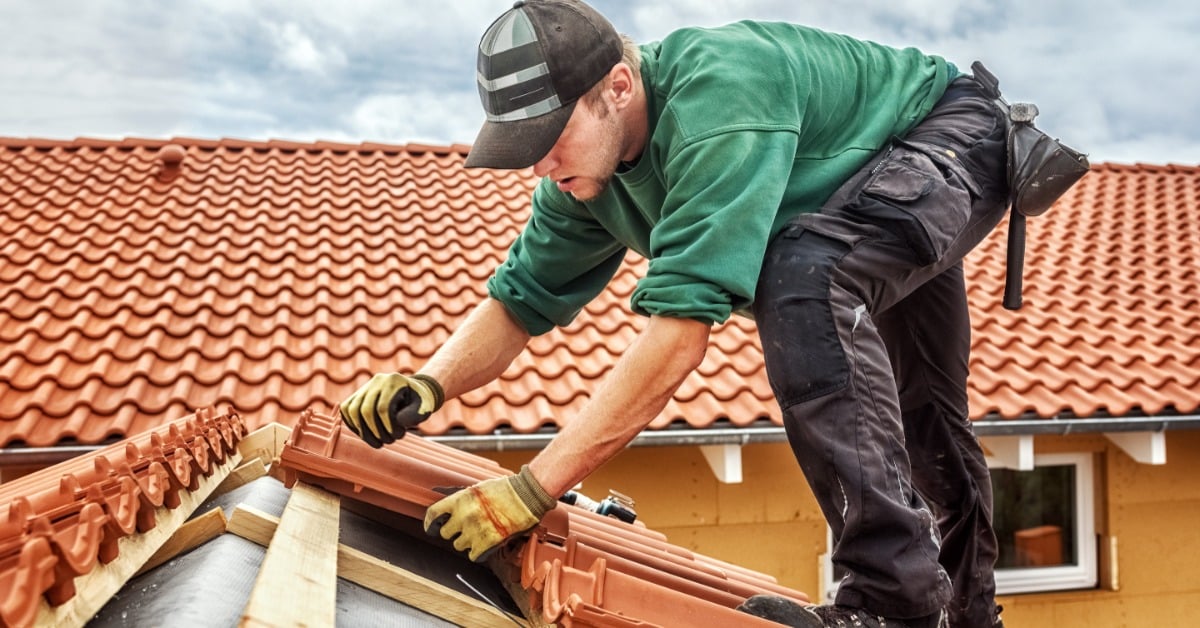
How you installed your tile roof matters as much as what it’s made of. Improper installation can cut years off the roof’s performance. For instance, tiles that aren’t seated correctly can shift, crack, or lift during monsoon winds. Flashing that isn’t sealed right creates entry points for water. And if the roof deck underneath wasn’t properly prepared before installation, you could see problems far sooner than you’d expect.
This is why choosing an experienced, licensed contractor from the start is key for protecting your investment. A roof installed correctly in Arizona can hit the top end of its lifespan, whereas one that wasn’t might have you dealing with issues in 10 to 15 years.
Signs Your Tile Roof Is Aging Out
Tile roofs don’t usually fail all at once. They give you warning signs, and knowing what to look for helps you catch problems before they turn into full-scale damage.
Cracked, broken, or missing tiles are the most obvious sign. Even one cracked tile creates an exposed area where water can get under the system.
Granule buildup in your gutters is another sign that usually indicates surface erosion on concrete tiles. Likewise, dark staining or streaking on the ceiling inside your home points to moisture getting through.
And if you’ve got a roof that’s approaching the 20-year mark, it’s worth having the underlayment inspected, even if the tiles still look solid.
How Maintenance Extends the Life of Your Roof
You can get a lot more years out of a tile roof with regular maintenance. This maintenance doesn’t take much of your time (especially if you outsource to professionals), and skipping it is how roofs age out faster than they should.
Keeping your roof clear of debris is the most important task. Leaves, dirt, and other organic buildup trap moisture against the tiles and can work their way into seams over time. Your gutters need to stay clean too, because clogged gutters back water up under the eaves and along the fascia.
Secondly, make sure to schedule annual or bi-annual roof inspections with a professional. They can assess your roof and find developing issues before they become big ones.
The Cost of Ignoring Roof Problems in Arizona
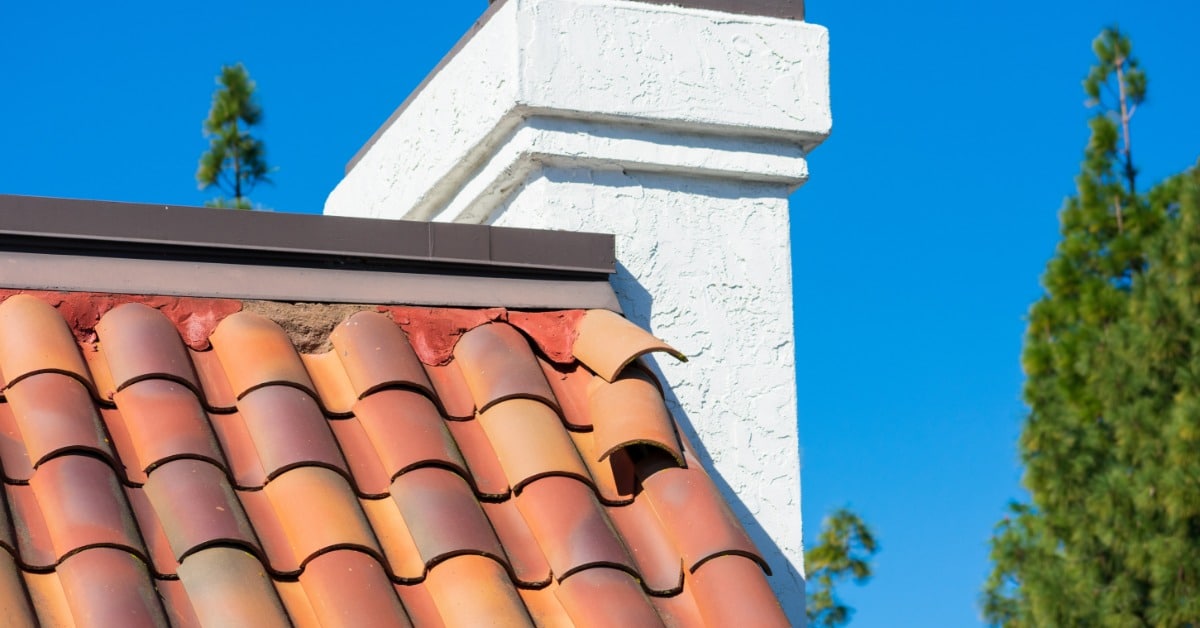
Waiting too long to address roofing issues in Arizona is a big mistake. Monsoon season brings heavy, fast rain. If that rain gets through a compromised roof, it can move into insulation, drywall, and wood framing.
The repair cost for water damage inside your home is almost always more expensive than the roofing fix that would’ve prevented it.
When Repairs vs. Full Replacement Make Sense
Not every roofing issue means you need a full replacement. Individual tile repairs are common and often the right call when the rest of the system is in good shape. If you’ve got isolated damage but your underlayment is still sound and you’re not seeing widespread wear, a targeted repair extends the roof’s life without the cost of a full tear-off.
Replacement, however, can make sense in the following cases:
- when the underlayment has degraded across a large portion of the roof
- when you’re seeing multiple active leaks
- when the roof is approaching the end of its projected lifespan
A professional inspection will give you the clearest picture of where your roof stands.
What Arrow Roofing Recommends for Arizona Homeowners
Ultimately, a tile roof should last about 50 years in Arizona heat, but the underlayment will wear out after 15 years or so. If your roof is approaching or past the 15-year mark, schedule an inspection now. The underlayment is likely to be wearing out while the tiles above look fine, and you won’t know its condition without someone getting up there and looking at what’s underneath. And of course, if you see damaged tiles or notice signs of water intrusion in your home, you also need to act immediately.
Whether you’re dealing with a few cracked tiles, a roof that’s due for inspection, or wondering whether repair or replacement is the right call, Arrow Roofing is here for you. We are a local roofing company well-versed in the specific demands of our desert climate. We know how Arizona heat affects underlayment performance, what products hold up in this environment, and how to properly install, inspect, and maintain tile systems for this region. Schedule your free inspection today!